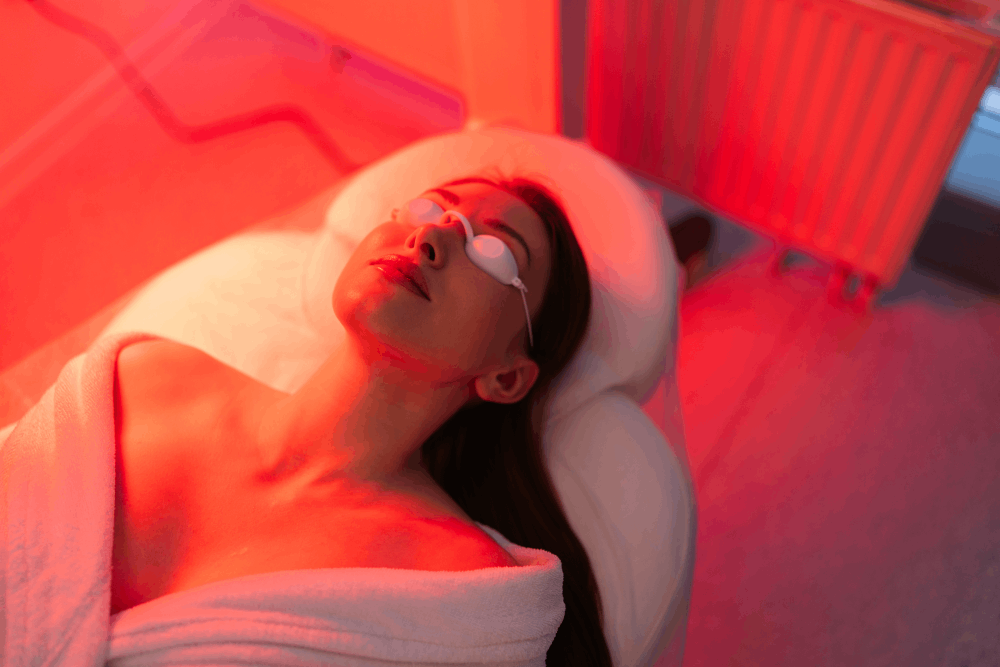
If you're thinking about adding infrared bed therapy to your wellness routine, figuring out how often to use it isn't always straightforward. Your ideal schedule can depend on things like your health goals, age, and even the power of the device you choose. Too much can do more harm than good, but too little might not give you the benefits you're after. So, how do you strike the right balance?
Understanding Infrared Bed Therapy and Its Benefits
Infrared bed therapy utilizes specific wavelengths, namely 660 nm and 850 nm, to potentially enhance well-being.
The 660 nm wavelength targets the upper skin layers, which may contribute to skin rejuvenation and reduce inflammation. In contrast, the 850 nm wavelength penetrates deeper into tissues, possibly aiding in pain relief and accelerating muscle recovery.
The therapy provides a gentle warmth without the high heat that can cause discomfort.
Reported benefits of infrared bed therapy include improved relaxation, better sleep quality, increased collagen production, and enhanced blood circulation.
Additionally, the combined wavelengths may assist in detoxification and stress reduction.
Each session typically lasts about 30 minutes and is designed to support an overall sense of wellness.
Quantum Wellness Center is one place where you can even use targeted wavelengths to promote cellular regeneration, enhance circulation, and support skin and muscle recovery. Learn more here:
https://thequantumwellnesscenter.com/sarasota/infrared-bed-therapy/
Key Factors That Affect Your Infrared Therapy Schedule
To optimize the benefits of infrared bed therapy, it's important to customize your session schedule based on individual needs and objectives.
The frequency of sessions is often influenced by the device's irradiance level, with higher power potentially allowing for shorter and less frequent sessions.
The specific treatment area also plays a role; conditions affecting superficial skin layers might require more frequent sessions each week, whereas deeper tissue issues could benefit from starting with daily sessions that gradually become less frequent.
Factors such as age and health status are also significant; older adults or individuals with particular sensitivities may require fewer sessions.
Additionally, skin sensitivity should be considered, and it's advisable to begin with shorter sessions, gradually adjusting based on personal goals and medical advice.
Optimal Session Frequency for Different Wellness Goals
The frequency of infrared bed therapy sessions should be aligned with your specific wellness objectives.
For pain relief or inflammation reduction, it's advisable to begin with daily sessions for one week, followed by three to five sessions per week.
Individuals focused on skin rejuvenation might consider three to five sessions weekly for several weeks, transitioning to a maintenance schedule of one to three sessions weekly.
In the case of wound healing, daily sessions could be beneficial until noticeable improvement is observed, after which the frequency might be reduced to every other day.
For promoting hair growth, using the infrared bed on alternate days for brief periods is recommended.
If the goal is to improve sleep quality or enhance detoxification, three sessions per week are generally considered sufficient.
Signs You're Overdoing Infrared Therapy and How to Stay Safe
If you're concerned about the possibility of overusing infrared therapy, it's important to be aware of certain indicators that suggest you may need to reduce the frequency or duration of your sessions.
Persistent skin redness, irritation, or inflammation following each session are common signs that you might be exceeding the recommended exposure.
Additionally, symptoms such as fatigue, headaches, or dizziness after treatments can suggest overuse, warranting a reassessment of your regimen.
Post-therapy dehydration or skin dryness also indicates excessive exposure, highlighting the importance of maintaining hydration and using moisturizers.
It's generally recommended that infrared therapy sessions be kept to 10-20 minutes, as benefits tend to decrease with longer durations.
To ensure safety, it's advisable to start with a brief session of 5 minutes and gradually increase the time based on your individual tolerance levels.
Tips for Maximizing Results From Your Infrared Bed Sessions
To optimize the outcomes of your infrared bed sessions, it's advisable to begin with shorter exposure durations of 5-10 minutes and gradually extend to a 30-minute session as your body acclimates.
It's important to ensure that the bed emits both 660 nm and 850 nm wavelengths, as these are effective for targeting both skin surface and deeper tissues.
Lying comfortably is key to achieving even light distribution and promoting relaxation.
Hydration before and after each session is crucial for enhancing detoxification processes and supporting tissue healing.
Post-session, applying a moisturizer can help in retaining skin hydration and supporting collagen production.
Adhering to these guidelines can help in maximizing the therapeutic advantages and expediting your progress.
Conclusion
Finding the right frequency for your infrared bed therapy depends on your goals and your unique needs. Start slowly, listen to your body, and remember that more isn't always better. Monitor for any signs of irritation and adjust your routine as needed. Stay hydrated and follow recommended guidelines for the best results. With consistency and mindfulness, you'll maximize the benefits of your sessions and safely enjoy the restorative power of infrared therapy in your wellness journey.