Can Red Light Therapy Cause Hyperpigmentation
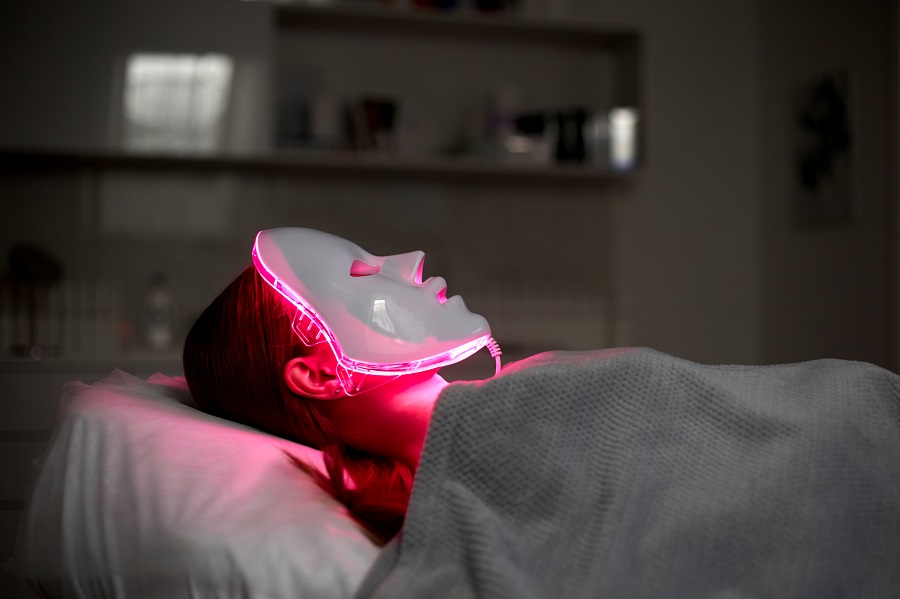
When you use red light therapy, you probably expect calmer, clearer skin, not new dark spots. While red and near‑infrared wavelengths don’t act like UV and typically don’t “tan” you, they still interact with pigment cells and inflammation in ways that can surprise you. Under the right conditions, RLT may even help fade discoloration, but certain mistakes, devices, or skin types can tip the balance the wrong way…
Can Red Light Therapy Cause Hyperpigmentation?
Red light therapy is often described as “non-pigmenting,” but the full picture is more nuanced. Because it does not emit UVA or UVB rays, it does not trigger tanning or sunburn the way traditional ultraviolet exposure does.
Instead, it works at specific wavelengths that support cellular repair and circulation, which may contribute to a healthier, more balanced complexion over time.
For many individuals, consistent, properly dosed sessions can help reduce inflammation and support skin recovery. As inflammation decreases, post-inflammatory hyperpigmentation and sunspots may gradually appear less noticeable.
In this context, red light therapy is sometimes associated with improved skin tone rather than increased pigmentation.
However, hyperpigmentation is still possible in certain situations. Overuse, excessive intensity, or inappropriate wavelengths may overstimulate melanocytes in individuals who are more pigment-sensitive.
This can lead to temporary darkening, especially in those with darker skin tones, a history of pigment disorders, or concurrent use of strong topical treatments such as retinoids or chemical exfoliants, which can make the skin more reactive.
This is where professional guidance becomes important. Working with a provider familiar with both your skin type and the local climate can make a meaningful difference.
Local places like the Quantum Wellness Center in Sarasota understand how Florida’s high sun exposure can influence pigmentation concerns, and they tailor red light protocols to account for existing sun damage, seasonal UV levels, and individual sensitivity.
That level of regional awareness helps reduce unnecessary risks and supports safer, more personalised outcomes.
To minimise the likelihood of unwanted pigmentation changes, it is advisable to:
- Begin with shorter sessions and lower frequencies before increasing intensity.
- Perform a patch test on a small area prior to full treatment.
- Follow professional guidance and device-specific exposure limits.
- Be cautious when combining red light with other light modalities, such as blue light, particularly in areas already prone to pigmentation changes.
When administered thoughtfully and under experienced supervision, red light therapy is generally well tolerated. The key is personalised dosing, careful monitoring, and professional oversight rather than a one-size-fits-all approach.
How Red Light Therapy Affects Pigment and Inflammation
When skin is exposed to therapeutic red (around 630–660 nm) and near‑infrared light, the wavelengths can stimulate photobiomodulation in cells. In this process, mitochondria increase production of cellular energy (ATP), which can support cell turnover, collagen synthesis, and tissue repair.
Over time, these effects may help gradually reduce the appearance of excess pigment and improve uneven skin tone.
Red and near‑infrared light can also influence inflammatory pathways and oxidative stress. By reducing inflammation, they may indirectly decrease melanocyte stimulation, the cells responsible for producing pigment, which is relevant for dark marks that appear after acne or eczema (post‑inflammatory hyperpigmentation).
Near‑infrared wavelengths penetrate more deeply into the skin and may help modulate redness, support wound healing, and promote more stable pigment activity in deeper layers.
Visible changes, if they occur, are typically gradual and depend on factors such as wavelength, dose, treatment frequency, device quality, and individual skin response. Some studies and clinical reports suggest improvements in tone and inflammation over several weeks, but outcomes vary, and consistent, appropriately dosed use is important.
When Red Light Therapy Might Worsen Hyperpigmentation
While red light therapy is generally considered low risk, certain parameters and combinations can worsen hyperpigmentation, particularly in deeper skin tones. Individuals with Fitzpatrick types IV–VI may be more prone to paradoxical darkening when using high-intensity panels or undergoing very frequent sessions.
Excessive dosing, such as daily or prolonged exposure, can exceed the beneficial threshold, potentially increasing oxidative stress and temporarily intensifying existing dark patches.
Some devices also emit blue light along with red or near-infrared wavelengths. Blue light has been associated with increased pigmentation in melanin-rich skin, which may further aggravate uneven tone in these users.
In addition, combining red light therapy with other potentially irritating treatments, such as topical retinoids, chemical exfoliants (acids), benzoyl peroxide, chemical peels, or microneedling, can heighten inflammation and increase the risk of post-inflammatory hyperpigmentation.
Thermal effects are another factor. Devices that significantly warm the skin, especially approaching temperatures around 45 °C, may trigger heat-induced pigmentation changes.
For individuals prone to hyperpigmentation, it's advisable to monitor skin response closely, avoid excessive intensity or frequency, and be cautious when layering red light therapy with other sensitizing procedures or products.
How Red Light Therapy Helps Fade Dark Spots
Used appropriately and at controlled doses, red light therapy may help reduce the appearance of dark spots rather than worsen them. Red and near‑infrared light in the 630–660 nm range can stimulate mitochondrial activity in skin cells, which may support more efficient cell turnover and gradual shedding of pigment‑containing surface cells. In addition, photobiomodulation has been shown to reduce inflammation and oxidative stress, factors that can contribute to persistent post‑inflammatory hyperpigmentation and irregular melanocyte activity.
Some clinical and observational studies report visible lightening of hyperpigmented areas after approximately 4–8 weeks of regular use, although results vary depending on the individual, device parameters, and treatment consistency.
Because red light therapy can also support collagen production and dermal remodeling, it may improve overall skin texture, making remaining dark spots appear less prominent relative to the surrounding skin.
Hyperpigmentation Safety for Melasma and Darker Skin
Individuals with melasma or deeper complexions (Fitzpatrick IV–VI) should use additional caution with red light therapy, despite marketing claims that it's “safe for all skin types.”
A higher baseline melanin level can increase the risk of treatment‑induced darkening or uneven pigmentation. A dermatology consultation is recommended before starting red or near‑infrared LED panels.
Evidence in darker skin types is limited and mixed. Some studies using 633/830 nm devices report improvement in melasma, while at least one small pilot case report described worsening, particularly when combined with abrasive skin care, such as harsh scrubs.
If you proceed, it's generally safer to:
- Use controlled, non‑ablative devices in the 630–660 nm range.
- Avoid photosensitizing medications (e.g., certain antibiotics, retinoids) and irritating or exfoliating topicals around treatment periods.
- Monitor the skin closely and discontinue treatment if you notice new dark patches, increased pigmentation, or spreading of existing lesions.
Because data on darker skin types remains limited, careful supervision and conservative protocols are advised.
How to Use Red Light Therapy Safely at Home
If you choose to use red light therapy at home, particularly if you have melasma or darker skin tones, it is important to follow a cautious, structured approach rather than relying on marketing materials.
Select a device that specifies wavelengths around 630–660 nm for red light and, if included, approximately 800–840 nm for near‑infrared light, with adjustable intensity settings.
Begin with a patch test on a small area for 1–2 weeks: use the lowest intensity for about 5 minutes, twice weekly.
If no irritation or darkening occurs, you can gradually increase to about 10 minutes per session, 3–4 times per week, while monitoring your skin for any changes.
Use the device on clean, bare skin, apply a broad‑spectrum SPF 30 or higher every day, avoid any blue‑light modes on the device, and wear appropriate eye protection.
If you take photosensitizing medications (such as certain antibiotics, retinoids, or diuretics) or use topical photosensitizing ingredients, or if you notice increased pigmentation or worsening of melasma, discontinue use and consult a dermatologist for further evaluation.
Conclusion
You’ve seen that red light therapy doesn’t work like the sun, so it won’t tan you or cause classic UV damage, but it can still trigger hyperpigmentation if you overdo it or combine it with harsh products and procedures. When used correctly, it can help calm inflammation and gradually fade dark spots. Start low and slow, protect stressed skin, and talk to a dermatologist if you’ve got melasma or a deeper skin tone.